Celebrating Royalty, Cultural Heritage and Grassroots Leadership.
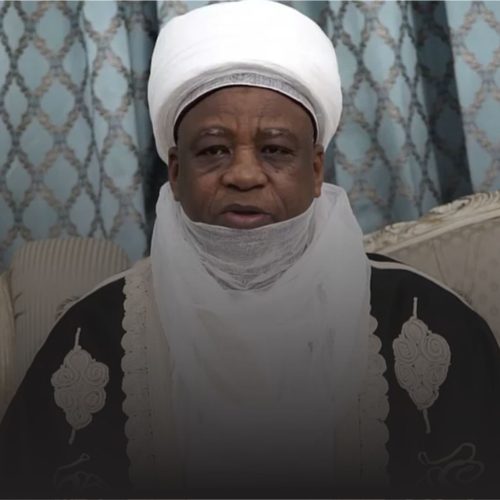
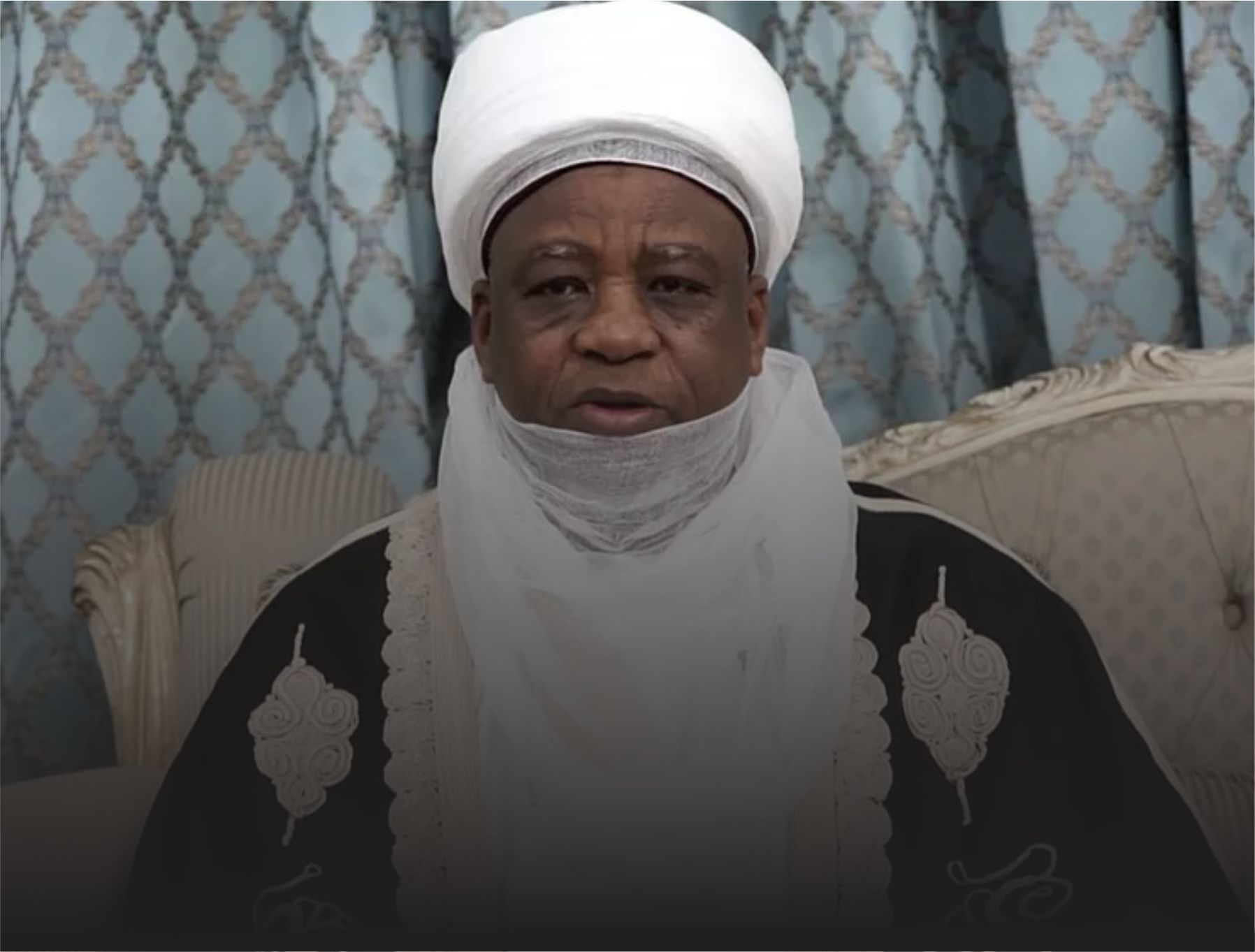
His Eminence, Alhaji Muhammad Sa’ad Abubakar III, the 20th Sultan of Sokoto, occupies one of Nigeria’s most revered traditional stools, with a rich historical legacy dating back to the Sokoto Caliphate founded in 1804 by Sheikh Usman dan Fodio.
Beyond the splendour of his royal regalia lies a remarkable journey from military service to traditional leadership, religious diplomacy and peacebuilding.
Royal profile
- Full name: Muhammadu Sa’ad Abubakar III, CFR, mni
- Royal title: Sultan of Sokoto
- Date of birth: 24 August 1956
- Age: 70 years
- State: Sokoto
- Geopolitical zone: North-West
- Ascension to the throne: 2 November 2006
- Predecessor: Sultan Muhammadu Maccido
- Former occupation: Military officer
- Military rank at retirement: Brigadier-General.
From the battlefield to the royal palace
Born into royalty, the Sultan is a son of Sir Siddiq Abubakar III, the 17th Sultan of Sokoto.
He attended Barewa College, Zaria, before proceeding to the Nigerian Defence Academy in 1975. He was commissioned into the Nigerian Army in 1977.
His military career included international peacekeeping assignments, diplomatic responsibilities and service as Nigeria’s Defence Attaché to Pakistan before ascending the throne in 2006.
A bridge across religious and ethnic divides
As President-General of the Nigerian Supreme Council for Islamic Affairs, the Sultan has consistently advocated peaceful coexistence, religious tolerance and national cohesion.
On November 2, 2026, he marked 20 years on the throne of his forebears.
Traditional leadership and grassroots development
The Sultanate represents an important traditional institution through which communities can be mobilised for:
- Peacebuilding and community conflict resolution.
- Education and literacy promotion.
- Public health awareness and immunisation.
- Cultural preservation and heritage tourism.
- Community security and social cohesion.
- Poverty alleviation and humanitarian interventions.
Did you know?
The Sultan’s father occupied the throne for 50 years, from 1938 to 1988, making him the longest-reigning Sultan in the history of the Sultanate.
The NLGN perspective
Nigeria’s traditional rulers are more than custodians of ancient customs. They are vital partners in grassroots transformation.
While elected administrations come and go, traditional institutions provide continuity, cultural identity and institutional memory.
Building stronger partnerships between traditional rulers and Nigeria’s 774 local governments could significantly advance sustainable community development.
The greatness of a throne is measured not merely by the splendour of its crown, but by the peace, progress and prosperity of its people.
NIGERIA LOCAL GOVERNMENT NEWS (NLGN)
Voice of Local Governance
www.nlgnews.ng